
Introduction
Often, visitors entering a museum are focused only on what is right in front of them. However, what most people don’t realize is that there is a lot that happens behind the scenes before an exhibit is ready to open. From brainstorming an idea to creating the final installation, every step of the process is carefully planned to ensure that the exhibit is informative, entertaining, and unforgettable.
Establishing the Idea
The first step to any exhibition is the concept. Museum staff determine what the exhibit is about and which pieces will best support that idea. This is where research becomes especially important because it helps to make sure that the information being shared is accurate and authentic.
After the concept has been defined, curators and designers start mapping out how the exhibit will be displayed to the public. This includes the flow of the exhibit, the types of materials used to convey information, and the organization of each section.
Crafting a Visitor-Centric Experience
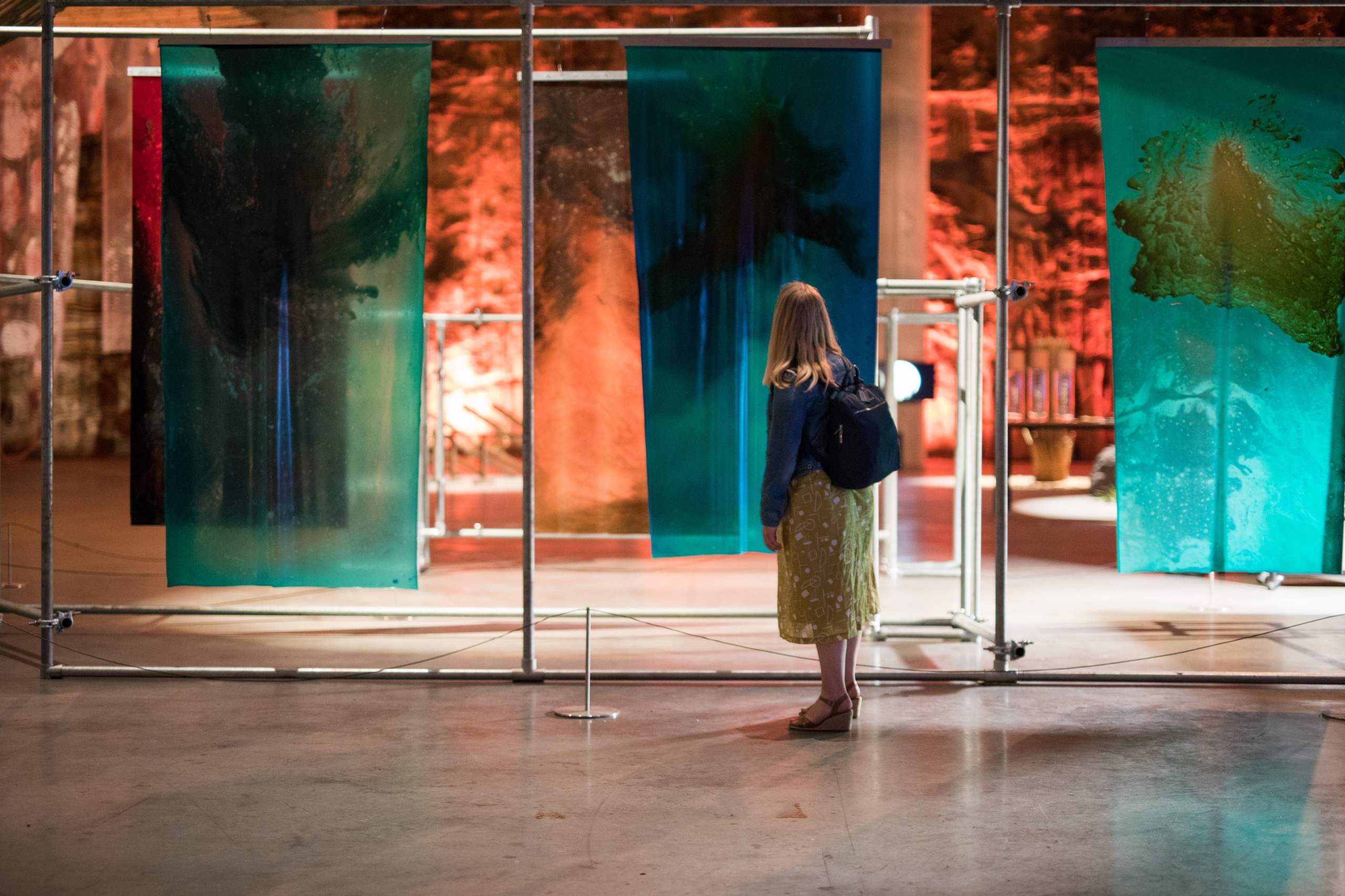
Exhibits are made for people, so the goal should always be to make the experience enjoyable and educational. Lighting, floor plans, graphic design, and labels all work together to guide people through the space smoothly. The challenge is to balance the visual appeal of the exhibit with the need to teach the public something new without providing too much information at once.
There is also a trend towards incorporating technology in museum exhibits such as interactive media or augmented reality that allows visitors to engage with the content more effectively.
The Importance of Exhibit Design
A well-designed exhibit does not just present interesting artifacts; it also tells a story that speaks to visitors on a deeper level. Everything from the way objects are placed on display to the arrangement of the room can have a significant impact on how people perceive and remember the exhibit.
Learning how to design museum exhibits involves learning how to use the built environment to share ideas, spark interest, and keep cultures alive for future generations.
Summary
Exhibitions are created through teamwork, imagination, and meticulous planning. It takes a team of people working together to take a collection of items and turn them into an exhibit that informs and entertains. Understanding the creation of exhibitions allows students to develop the skills necessary to create exhibits that will stay in the minds of visitors long after they have left the museum.